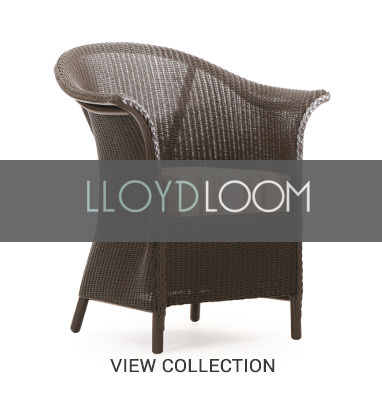
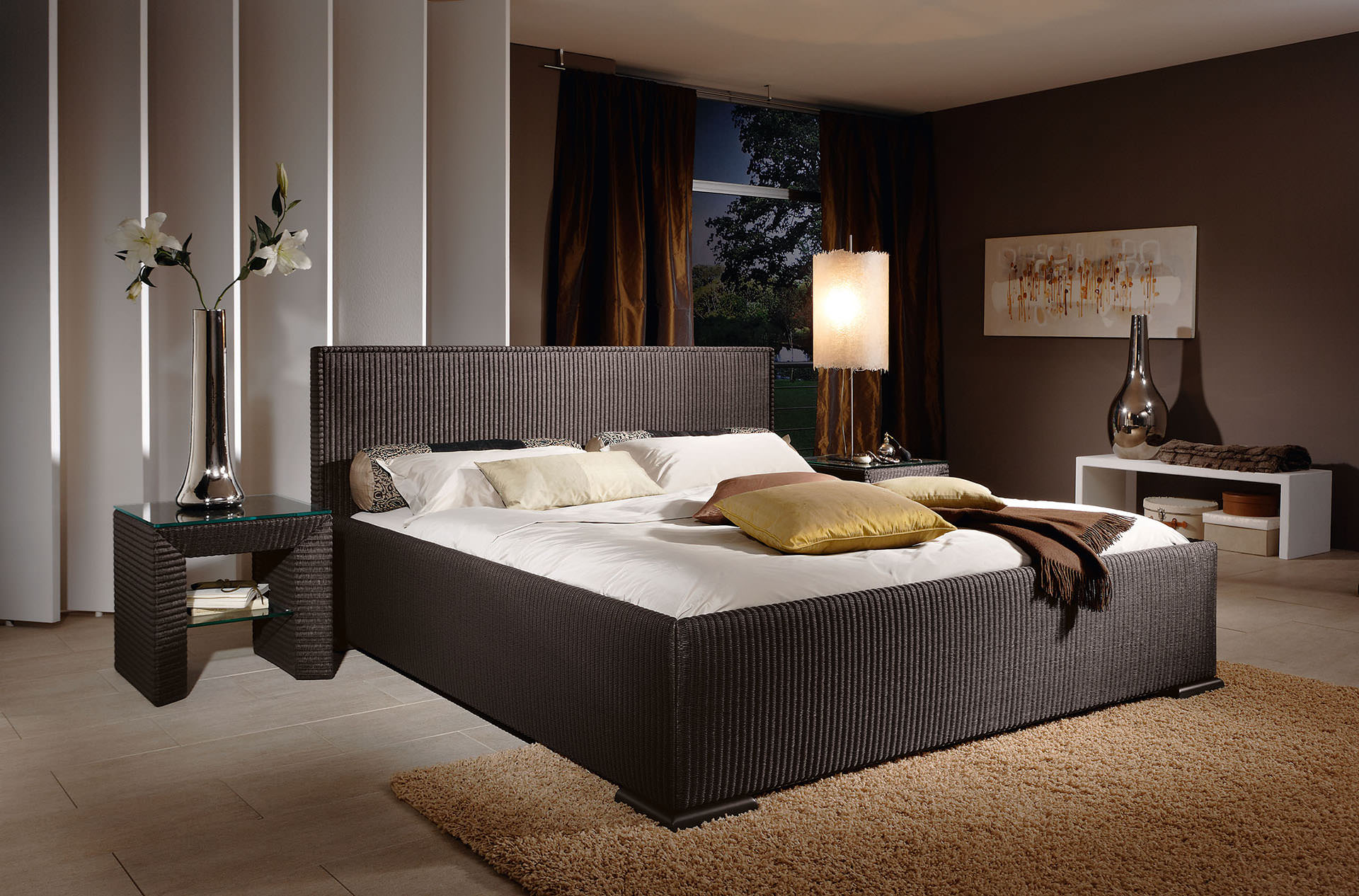
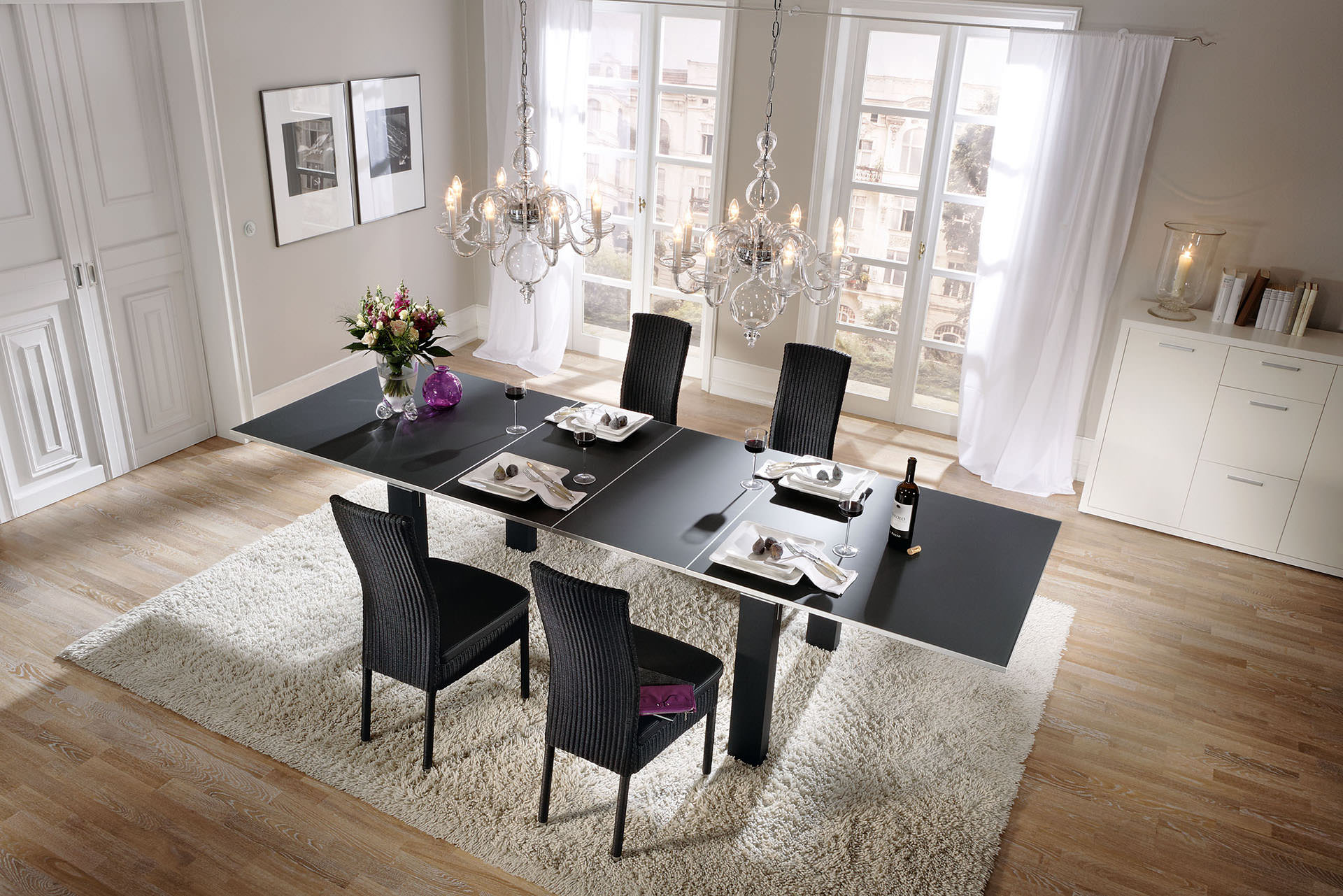
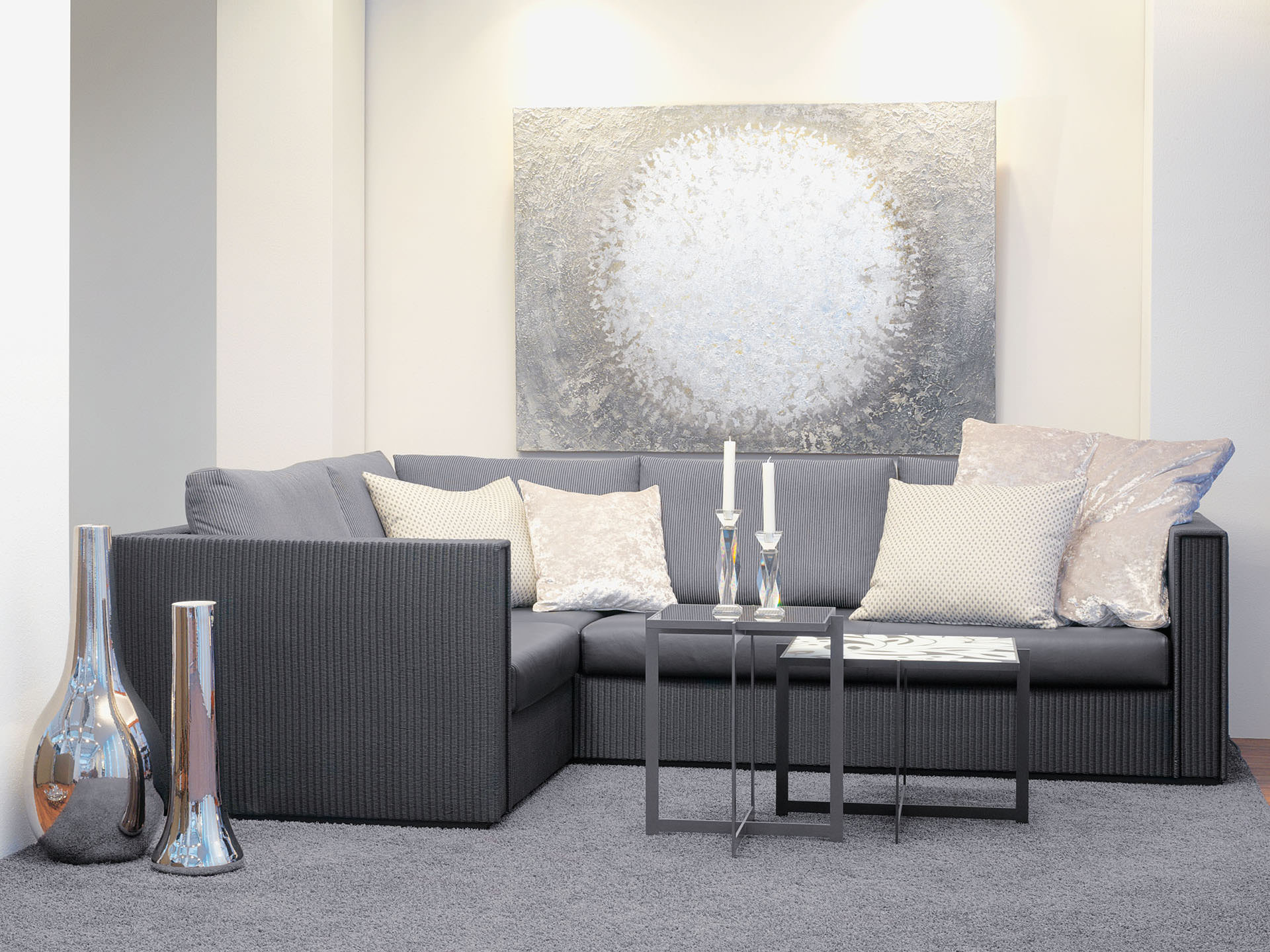
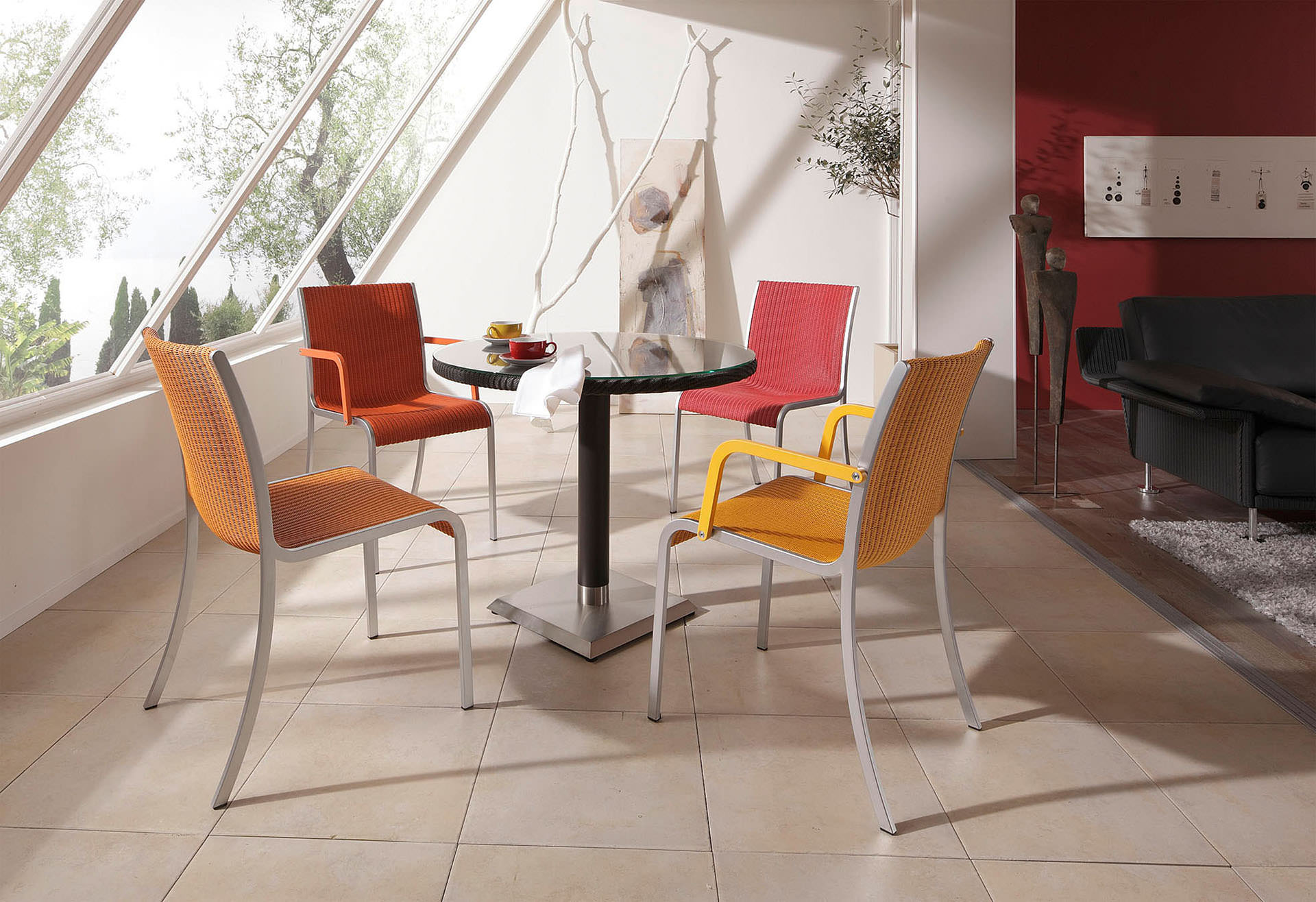
Our furniture is made in Spalding, Lincolnshire using traditional materials and techniques. The unique .Lloyd Loom. paper and wire weave is also made at the factory and its superb quality differentiates our furniture, as do the sturdy beech frames which will last a generation unlike the rattan used in imported copy Lloyd Loom chairs.

Each piece is handmade and coloured to order which enables us to tailor any product to your specification. You are welcome to visit the factory at any time by appointment.


paper roll

Large rolls of kraft paper are slit and twisted into an immensely strong fibre.

This is wound onto bobbins and mounted on creels which feed the looms

bobbins
spinning

On another machine, the warp is made from paper spun and glued round a fine galvanized steel wire. Paul is checking the tension

The looms then weave a variety of patterns and widths depending on our requirements. Ron is attending to the loom and monitoring quality.

looms
weave

The finished material is stored in rolls of different widths needed for the various processes within furniture manufacture.

One edge is usually plaited in the traditional way, by Joe. It will form the lower edge of the finished chair.

Joe
Peter

Some chairs are made infrequently and require individual parts to be machined to order. Peter is seen sanding a chair bend.

The components are partially assembled, glued and screwed, ready for the addition of weave. Each type of chair has a different process. In some the seats are separately made; in some they are part of the main frame, as in the seat Mark is assembling here.

Nails
Forming

In some the weave is partially applied at this stage.

Simon preparing a seat. Each wire is stapled to the seat frame to ensure the product can withstand heavy use.

Simon
Graham

Graham fixing the seat to the sub-assembled bent-wood frame and making preparations for the Weave to be attached.

Steven fixing the frame around the weave which has been attached and will be formed into shape later in the process.

Steven
Upholstery

Next comes "upholstery" when the weave is shaped around the frame. This is a very skilled and tough process, since the fabric has great tensile strength and has to be stretched , shaped and hand-woven over all the tight corners.

Peter upholstering the weave to a frame

Robert fixing additional panels to the outside of the chair

Robert
Trimming

Before the excess fabric is trimmed, an additional single wire is stapled along all the cut edges.

Simon trimming

All fabric joints and un-plaited edges are finished with braid - even if it is sometimes hidden from view. This is applied over a paper D-section. The braid again has to be re-plaited by hand at all the sharp corners.

Finishing
Nigel

Nigel trimming and braiding an edge

Braid being attached to a chair from our Naturals collection- in Pistachio

Braiding
Back Light

Much of the upholstery is done with a back light that illuminates the frame perimeter in the weave to ensure good fixing.

Once the Chair is completed the weave is sprayed with PVA glue which bonds the strands and stabilizes the shape. David can be seen spraying a Sereno dining chair

Spraying
Canterbury

Tables and contemporary furniture.

Tables and contemporary furniture.

A Canterbury table having braid attached

Braid
Dave

Dave braiding his table

A stack of Canterburys awaiting the colour process

Stacks
Linen

Richard beginning a Linen Basket

After gluing and drying, Alan can be seen preparing a dining chair for spraying using a Fine sanding pad. This will then be sprayed in our tinted lacquers or colours (including the Farrow and Ball colour range).

Gluing
Painting

A Bolero which has received its first coat of water based paint. It will be sanded again and have a final coat once it has dried.

Finally every chair is quality checked by John

Quality
Badged Lloyd Loom

Who applies the Lloyd Loom badge and the date to each piece.

Finished chairs await packing

Packing
Badged Lloyd Loom

Every item wrapped and packed by Jamie, ready for dispatch.